E-MAIL MARKETING - 2026
E-MAIL MARKETING
E-mail marketing is one of the most effective digital marketing strategies for building strong relationships with customers and promoting products or services. It allows businesses to send personalized messages, special offers, product updates, newsletters, and valuable information directly to their customers’ inboxes. With an effective e-mail marketing campaign, businesses can increase customer engagement, generate leads, improve brand awareness, and drive more sales. By using attractive content, clear calls-to-action, and targeted e-mail campaigns, businesses can connect with the right audience at the right time and achieve better marketing results.
What is Email Marketing?
Email marketing refers to a digital marketing strategy that uses email to promote business offerings and build relationships with potential or existing customers. The core goal is driving sales revenue through email communications. In email marketing, businesses create customized email campaigns targeted at certain subscriber lists. For example, they may send promotional newsletters or product updates to customers who have purchased before or signed up to receive such emails. The business may also acquire new email list contacts interested in their offerings to expand their subscriber base.
Types of Email Marketing
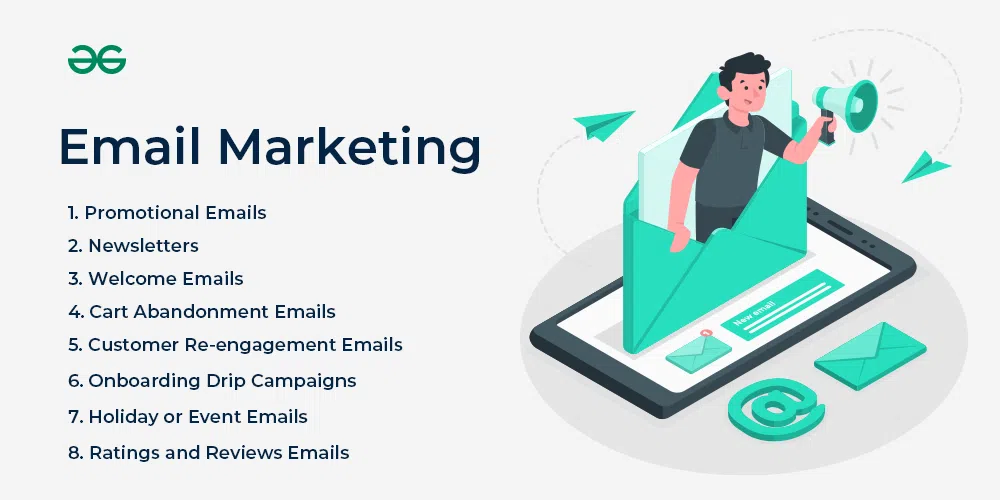
1. Promotional Emails: These are emails focused on promoting special offers, sales, new products, or other commercial announcements to drive purchases and transactions.
2. Newsletters: Newsletters are regular, recurring emails that provide new and updated content like articles, company news, blog summaries, tips, or other useful information to subscribers.
3. Welcome Emails: Welcome emails are some of the most important emails sent. They are the first email contact when a person signs up and sets the tone of the subscriber relationship.
4. Cart Abandonment Emails: When customers add items to an online shopping cart but don’t complete the purchase, cart abandonment emails remind them to return and check out.
5. Customer Re-engagement Emails: These emails target subscribers who have been inactive for some time by re-engaging with them in an attempt to bring them back for repeat business.
6. Onboarding Drip Campaigns: These nurture new subscribers by sending helpful orientation content over their first thirty, sixty, or ninety days.
7. Holiday or Event Emails: These capitalize on major holidays, events, or cultural moments to send relevant communications.
8. Ratings and Reviews Emails: These requests satisfy customer reviews or star ratings post-purchase.
How Do You Use E-Mail Marketing?
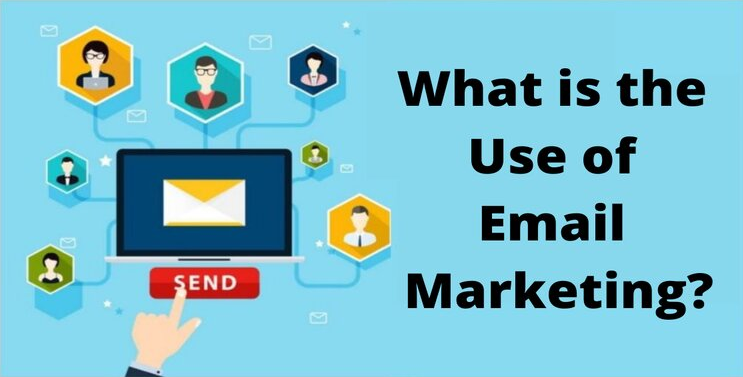
E-mail marketing is used to communicate directly with customers and promote a business, product, or service. Businesses collect customer e-mail addresses with permission and then send useful and relevant messages such as newsletters, promotional offers, product updates, discounts, event invitations, and helpful information.
A simple e-mail marketing process is:
- Build an e-mail list – Collect e-mail addresses from interested customers with their permission.
- Understand your audience – Divide customers into groups based on their interests or purchasing behavior.
- Create valuable content – Write attractive subject lines and useful, engaging e-mails.
- Add a clear CTA – Encourage customers to take an action, such as Shop Now, Contact Us, or Learn More.
- Send at the right time – Schedule e-mails when your audience is most likely to read them.
- Track performance – Monitor open rates, clicks, conversions, and unsubscribes.
- Improve future campaigns – Use the results to create more relevant and effective e-mails.
Conclusion
E-mail marketing is a powerful and cost-effective way for businesses to connect with customers, promote products, and build long-term relationships. By sending relevant and personalized content, businesses can increase customer engagement, generate leads, and improve sales. With proper planning, attractive content, and regular performance tracking, e-mail marketing can become an important part of a successful digital marketing strategy.