Content Marketing
Examples of Content Marketing
- Blog posts
- Social media posts
- Videos
- Email newsletters
- Infographics
- E-books
- Podcasts
Content Marketing is a digital marketing strategy in which businesses create and share valuable, useful, and relevant content to attract and engage their target audience. The main goal of content marketing is to build trust, increase brand awareness, generate leads, and improve sales.
Examples of content marketing include blog posts, social media posts, videos, emails, infographics, and e-books.
In simple words: Content Marketing means providing useful content to the right audience at the right time to build a strong relationship with customers.

What is Content Marketing?
Content Marketing is a strategic process that consists of creating and distributing insights, valuable, relevant, and steady content to attract and increase engagement with the target audience or users. It aims to set up a strong and healthy relationship with the target customers, establish and maintain trust with the customer, and ultimately head toward profitable customer actions, such as by doing a purchase, taking or subscribing to any paid service, or some other profitable action. By offering valuable information and relevant content, businesses’ goal is to attract and retain the engagement and attention of target customers, who may become loyal brand advocates.
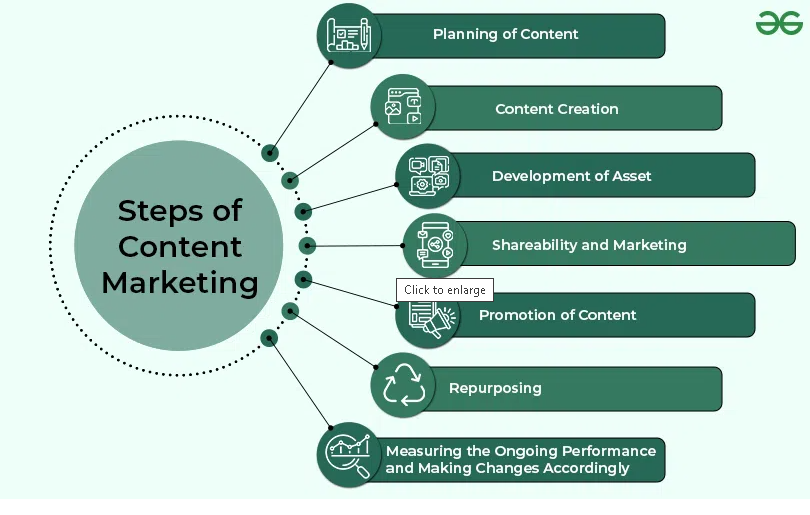
Importance of Content Marketing
Content Marketing is important because it helps businesses attract customers, build trust, and grow their online presence.
Main Importance of Content Marketing
- Builds Brand Awareness: Helps more people discover and recognize your brand.
- Builds Customer Trust: Useful and informative content helps establish credibility.
- Attracts New Customers: Good content brings potential customers to your website and social media pages.
- Improves SEO: Regular, high-quality content can help a website appear higher in search engine results.
- Generates Leads: Content can encourage visitors to provide their contact details or inquire about products and services.
- Increases Engagement: Blogs, videos, and social media content encourage people to interact with the brand.
- Supports Sales: Helpful content can educate customers and influence their purchasing decisions.
- Cost-Effective Marketing: Content can continue attracting visitors over time without paying for every individual view.
CONCLUSION
Content marketing is an effective strategy for building brand awareness, engaging customers, and creating long-term relationships. By consistently providing valuable, relevant, and engaging content, businesses can attract the right audience, build trust, and increase conversions. Therefore, a well-planned content marketing strategy is essential for achieving sustainable growth and success in today’s digital marketplace.